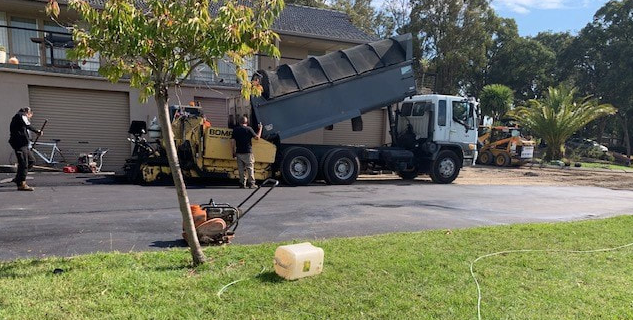
An asphalt surface should provide more than a smooth appearance. Whether it is used for a driveway, access road, car park or commercial hardstand, its long-term performance depends on how effectively it handles vehicle movements, water drainage and everyday wear. Even a well-constructed surface can gradually develop weaknesses if its condition changes or maintenance is overlooked.
For property owners and businesses in Canungra, QLD, improving an existing asphalt surface does not always require complete replacement. Targeted repairs, drainage improvements, resurfacing and attention to the supporting pavement can make a considerable difference to how the surface performs.
Understanding which improvements are most beneficial can help prevent recurring deterioration and ensure the pavement remains suitable for its intended use.
1. Improve Drainage to Protect the Pavement Structure
Effective drainage is one of the most important factors influencing asphalt performance.
Although asphalt provides a relatively water-resistant wearing surface, cracks, damaged edges and other defects can allow moisture to reach the supporting pavement. If water accumulates within these layers, the materials underneath may lose strength, increasing the likelihood of movement and surface deterioration.
Poor drainage can also create standing water, particularly where depressions or uneven sections have developed.
How Drainage Improvements Help
Correcting drainage problems helps reduce prolonged water exposure and supports the stability of the pavement underneath.
Depending on the existing conditions, improvements may involve correcting localised depressions, restoring appropriate surface falls or addressing areas where runoff repeatedly enters damaged pavement.
Signs that drainage requires attention include:
- Water pooling after rainfall
- Cracks developing around low areas
- Erosion along pavement edges
- Repeated potholes in the same locations
- Depressions that remain wet
- Water flowing through damaged sections
A professional assessment can determine whether the problem is related to the surface profile, surrounding drainage or movement within the pavement.
Addressing these conditions can help protect both the asphalt and its supporting structure.
2. Repair Cracks Before They Develop Into Larger Problems
Small cracks are among the most common early signs of asphalt deterioration.
They may develop because of ageing, repeated vehicle loading, settlement or movement within the supporting pavement. Although minor cracks do not always indicate serious structural damage, they can create pathways for water penetration.
As moisture enters the pavement, the surrounding materials may weaken. Continued traffic can then contribute to further cracking and surface breakdown.
Why Early Crack Repairs Matter
Treating suitable cracks while they remain relatively small can help preserve the surrounding asphalt.
The appropriate repair method depends on the crack’s width, pattern and underlying cause.
Where the pavement remains stable, professional crack treatment may help restrict moisture penetration and slow further deterioration.
However, cracks associated with significant movement or settlement require more detailed investigation. Simply closing the opening will not necessarily prevent the problem from returning if the pavement continues moving underneath.
Early assessment helps distinguish manageable surface cracking from defects that require deeper repairs.
3. Strengthen Weak or Unstable Pavement Sections
The performance of an asphalt surface depends heavily on the condition of the pavement underneath.
The supporting base distributes vehicle loads and provides the stability needed to prevent excessive movement. If these layers become weak, poorly supported or unstable, the asphalt above can begin cracking, rutting or sinking.
Installing new asphalt over an unstable section may improve its appearance temporarily, but it does not automatically correct the underlying weakness.
Restoring the Supporting Base
Where structural deterioration is identified, the affected section may need to be opened so unsuitable materials can be removed or corrected.
The supporting pavement can then be rebuilt and compacted before the asphalt surface is reinstated.
Signs that deeper repairs may be necessary include:
- Repeated settlement
- Deep wheel ruts
- Potholes returning after repair
- Extensive interconnected cracking
- Movement around previous patches
- Sections that continue becoming uneven
Not every damaged surface requires complete reconstruction. Where the surrounding pavement remains sound, localised structural repairs may be sufficient.
Correcting these weaknesses can help prevent the same defects from repeatedly developing.
4. Repair Potholes Before They Damage Surrounding Asphalt
Potholes are more than isolated holes in a pavement. They can indicate that the surface and supporting materials have already experienced significant deterioration.
Once a pothole forms, vehicle tyres repeatedly strike its edges, potentially dislodging additional asphalt. Water can also collect inside the opening and penetrate the pavement underneath.
Without attention, a relatively small pothole can gradually become a much larger damaged section.
What Makes a Professional Pothole Repair Effective?
An effective pothole repair should address the condition of the surrounding pavement as well as the visible opening.
The process may involve removing loose and deteriorated material, assessing the supporting base and restoring the damaged section using suitable materials and compaction.
Where the underlying pavement has weakened, correcting that problem is important before reinstating the asphalt.
Professional repairs help restore a consistent trafficable surface and reduce the likelihood of deterioration spreading into neighbouring areas.
Prompt attention is particularly valuable where potholes are developing along frequently used vehicle routes.
5. Restore Damaged Edges and Improve Pavement Support
The edges of an asphalt surface are often more vulnerable than the central trafficable area.
When surrounding material erodes or vehicles repeatedly travel close to the pavement boundary, the asphalt may lose some of its support.
This can lead to cracking, crumbling and sections breaking away.
Once edge deterioration begins, water can enter the exposed pavement, potentially weakening the supporting layers and allowing damage to spread further inward.
Why Edge Maintenance Makes a Difference
Maintaining adequate edge support helps preserve the pavement’s structural integrity.
Improvements may involve repairing damaged asphalt, correcting erosion or restoring suitable support beside the pavement.
Particular attention should be given to areas where vehicles regularly turn, reverse or travel close to the edge.
Early repairs can prevent localised edge damage from gradually reducing the usable width of a driveway or access road.
A properly supported edge also helps protect the surrounding pavement from unnecessary movement.
6. Consider Resurfacing When the Existing Asphalt Becomes Worn
An asphalt surface can gradually lose its original condition through ageing, traffic wear and environmental exposure.
Over time, the wearing layer may become rougher, develop numerous small defects or lose its consistent appearance.
When deterioration becomes widespread, individual repairs may no longer provide the most practical approach to restoring the surface.
If the supporting pavement remains structurally sound, asphalt resurfacing may be an appropriate improvement.
How Resurfacing Can Improve Performance
Resurfacing involves preparing the existing pavement and installing a new asphalt wearing layer.
When the underlying structure is suitable, this can provide several benefits:
- A renewed trafficable surface
- Improved surface consistency
- Correction of appropriate localised surface defects
- Reduced exposure of the existing pavement to further wear
- A more uniform finish
- Improved everyday vehicle movement over worn sections
However, resurfacing should not simply cover serious structural defects.
Significant potholes, unstable sections and drainage problems should be assessed and corrected beforehand.
Where the base has deteriorated extensively, deeper rehabilitation may be required before a dependable new surface can be installed.
7. Match the Pavement to Its Actual Traffic Requirements
One of the most valuable improvements to an asphalt surface is ensuring that it is suitable for the vehicles and activities using it.
A residential driveway does not experience the same loading conditions as a commercial hardstand or access road regularly carrying heavier vehicles.
Vehicle weight is only one consideration. Repeated turning, braking, stationary loads and concentrated wheel movements can also place significant stress on particular sections.
Why Traffic Requirements Matter
If a pavement was originally constructed for lighter use, changes in traffic can gradually expose weaknesses in its structure.
For example, a surface that previously carried occasional passenger vehicles may begin deteriorating if it is regularly used by heavier equipment.
Signs of excessive loading can include:
- Rutting along established wheel paths
- Cracking around turning areas
- Depressions where vehicles regularly park
- Repeated damage near entrances
- Surface deformation in heavily used sections
A professional assessment can determine whether localised strengthening, structural repairs or broader pavement improvements are necessary.
Designing and maintaining asphalt around its actual use helps create a surface better suited to everyday operational demands.
How Do You Know Which Improvements Your Asphalt Needs?
Not every asphalt surface requires all seven improvements.
A driveway affected by minor cracking may benefit from timely repairs, while an access road experiencing repeated settlement may require attention to its supporting pavement.
Similarly, a worn surface with a stable base may be suitable for resurfacing, whereas extensive structural deterioration could require more substantial rehabilitation.
The most appropriate approach depends on the nature, location and cause of the damage.
Look Beyond the Visible Surface
The appearance of asphalt provides useful information, but it does not always reveal the complete condition of the pavement.
Two surfaces with similar cracks may require different treatments if one has a stable foundation and the other is experiencing movement underneath.
An experienced asphalt contractor can assess cracking patterns, pavement levels, drainage, traffic loading and previous repairs to determine what is contributing to deterioration.
This helps ensure improvements address the actual problem rather than simply concealing visible defects.
Why Professional Asphalt Improvements Are Worth Considering
Effective asphalt maintenance is not simply about repairing damage after it becomes extensive.
It involves understanding how the pavement performs and identifying opportunities to preserve areas that remain serviceable.
Professional assessment and properly completed improvements can help:
- Reduce the spread of existing damage
- Protect the supporting pavement
- Improve surface consistency
- Address recurring defects
- Maintain reliable vehicle access
- Support longer-term pavement performance
The quality of preparation is particularly important. Repairs and resurfacing rely on stable supporting materials, suitable construction methods and effective compaction.
When these elements are addressed correctly, the completed surface has a better foundation for dependable performance.
Conclusion
Improving an asphalt surface does not always require replacing the entire pavement. Better drainage, timely crack repairs, stronger supporting layers, professional pothole repairs, stable edges, appropriate resurfacing and construction suited to traffic requirements can all contribute to improved performance.
The most effective improvements depend on the existing pavement condition. Surface deterioration may be manageable through localised repairs or resurfacing, while recurring settlement, deep rutting and widespread cracking can indicate that deeper structural work is necessary.
Canungra Asphalt & Bitumen Surfacing provides professional asphalt repairs, resurfacing and bitumen surfacing services throughout Canungra, QLD. If your driveway, access road, car park or hardstand is showing signs of wear or deterioration, contact our team to arrange an assessment and discuss suitable improvements to help maintain a dependable, long-lasting surface.
Call us on: 07 5241 1492
Click here to find out more about Canungra Asphalt & Bitumen Surfacing
Click here to complete our contact form and see how we can help with your Asphalt and Bitumen Surfacing needs.